Choosing books for teenagers is not the same as filling a shelf with popular titles. A bulk order should offer practical encouragement, varied voices, and age-appropriate challenges. The best Teenage Motivational Books can meet readers during exam stress, team setbacks, family changes, or uncertain career plans. One honest story may matter more than ten loud promises. That matters.
This guide examines ten books suitable for schools, youth programs, libraries, mentoring groups, and thoughtful family purchases. Selection considers author credibility, reader reviews, developmental suitability, emotional safety, and lasting usefulness. Educators and librarians often notice whether a book sparks discussion after the final page. A durable paperback, clear language, and realistic message also matter when dozens of copies share one classroom cart. Bulk buyers should check current editions, availability, discounts, and inclusive representation before ordering. These details protect budgets and readers.
Motivation is personal, not guaranteed by a bright cover or bestselling label. Some teens prefer memoirs, while others respond to habits, creativity, sports, or reflective fiction. A book may inspire one student and frustrate another. That is normal. The recommendations ahead balance trusted guidance with lived experience, while acknowledging their limits. They are not a substitute for counseling, teaching, or attentive conversation. Used carefully, these Teenage Motivational Books can become quiet tools for confidence, persistence, and meaningful action. The goal is not perfect inspiration. It is a shelf that invites a teenager to open one book, underline one sentence, and try again tomorrow.
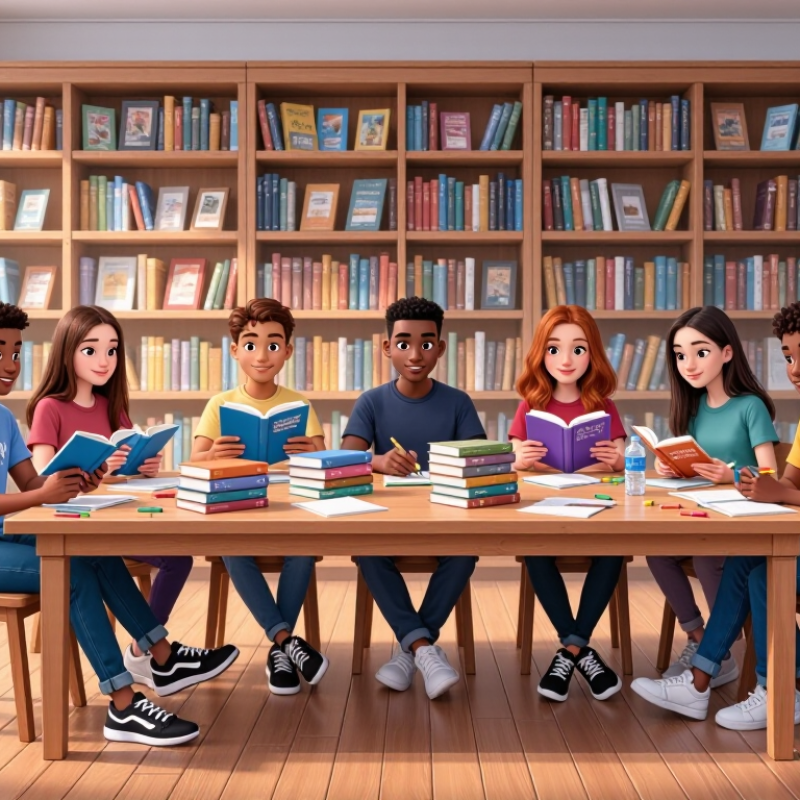
What Makes a Motivational Book Valuable for Teenagers
A motivational book becomes valuable for teenagers when it speaks to real pressure, not imaginary perfection. In my experience, teens respond better to honest stories about exams, friendship problems, family expectations, and changing self-confidence. A useful book gives clear ideas they can try that day, such as writing one achievable goal before school or taking a short pause after failure. Small actions matter.
Good writing also respects a teenager’s intelligence. It should explain emotional challenges without sounding like a lecture. Counselors and educators often value books that encourage reflection, healthy routines, and responsible decision-making. Reliable advice should avoid promising instant success. Progress is usually uneven. That truth can feel more comforting than exaggerated confidence.
When buying motivational books in bulk, schools, youth groups, and families should examine language, reading level, and cultural sensitivity. The strongest choices include practical exercises, realistic examples, and questions that invite personal thought. A book should leave room for disagreement. Some advice may not fit every teenager, especially those facing stress, grief, or learning difficulties. I have sometimes assumed that a positive message would help everyone, but that assumption was too simple. A valuable book offers direction while allowing readers to adapt, pause, or seek support from a trusted adult.
Key Criteria for Choosing Teenage Motivational Books in Bulk
10 Best Teenage Motivational Books to Buy in Bulk?
Key Criteria for Choosing Teenage Motivational Books in Bulk
Buying teenage motivational books in bulk requires more than finding an attractive discount. The selection must fit real readers. Start with age suitability, reading level, and emotional maturity. A sixteen-year-old may reject language designed for younger children. Look for practical themes, such as handling failure, building routines, managing pressure, and setting realistic goals. Stories often work better than commands.
Check the author’s qualifications, cited research, and experience with adolescent development. Reliable books explain ideas clearly without promising instant transformation. Independent reviews from educators, counselors, and librarians can reveal whether advice is useful in classrooms and homes. That outside view matters. Also examine whether the content respects different cultures, family situations, and learning needs.
Bulk purchasing makes consistency important. Compare editions, page quality, printing accuracy, and delivery samples before ordering hundreds of copies. Ask whether the books suit group discussions, mentoring sessions, or quiet personal reading. Short chapters and reflection questions can help hesitant readers continue. Do not judge motivation by cover design alone. During a previous group order, I focused too heavily on inspirational language and overlooked cultural representation. Several students found the examples distant from their lives. That mistake changed my checklist. Now I examine accessibility, realistic advice, and personal boundaries. Leave room for disagreement. A strong bulk choice should invite honest conversation, not demand identical beliefs.
Ten Motivational Books That Inspire Growth and Confidence
Ten motivational books can give teenagers practical language for growth and confidence. A strong bulk collection should include different needs, not ten versions of the same success story. Consider books about small habits, emotional resilience, creative courage, healthy study routines, goal setting, self-respect, teamwork, dealing with mistakes, thoughtful leadership, and finding personal values. Each topic supports a different moment, such as a difficult exam, a missed opportunity, or an uncomfortable conversation.
Look for clear exercises, realistic examples, and advice that respects teenage independence. A useful book might ask readers to track one habit for seven days, write three honest strengths, or plan a manageable action before Friday. Short chapters help busy students stay engaged. So do concrete questions. Books should encourage effort without promising instant confidence. Confidence usually grows after repeated action, not after one inspiring paragraph.
In group settings, students could read quietly, then share one idea beside a classroom window or during a library session. The discussion may feel awkward at first. That is normal. Adults should avoid treating every struggle as a motivation problem. Sleep, pressure, family concerns, and isolation can affect progress too. Motivational books can support reflection, but they cannot replace qualified help when distress becomes persistent. Some advice may also feel too simple for a teenager’s situation. That limitation matters. Bulk buyers should review sample pages, reading levels, accessibility, and cultural relevance before ordering. A thoughtful selection leaves room for doubt, mistakes, and a more personal definition of success.
How to Match Each Book with Different Teenage Needs
A strong bulk order should match real teenage needs, not just popular titles. In my experience working with youth reading groups, confidence books suit teens who avoid speaking or hide unfinished work. Goal-setting books help students who need a visible path, such as weekly study targets. For exam stress, choose practical guides with breathing exercises and short reflection prompts. Teens facing friendship conflict may respond better to stories about empathy and boundaries. Keep the reading level accessible. A difficult book can feel like another failure.
The remaining choices should cover different emotional and social situations. A resilience story can support teens recovering from disappointment, while an identity-focused novel may help someone questioning where they belong. Creative writing prompts suit quiet students who express feelings through art. Books about healthy routines can guide teens struggling with sleep, screen time, or scattered attention. For emerging leaders, select titles about teamwork rather than control. A grief-centered book requires care, privacy, and an adult who can listen. It should never be handed out casually.
Before buying ten copies of each title, ask counselors and students for input. Check the author’s qualifications, evidence behind the advice, reading difficulty, and content warnings. One classroom set rarely fits everyone. I once chose an inspiring book that felt preachy to half the group. That mistake mattered. Offer two or three alternatives when possible, and let teenagers choose. Choice builds ownership. Small details help, too: sturdy covers, clear chapter headings, and space for notes can make a motivational book feel usable rather than decorative.
10 Best Teenage Motivational Books to Buy in Bulk
How to Match Each Book with Different Teenage Needs
The 7 Habits of Highly Effective Teens
Decision-making, responsibility, and personal effectiveness.
Mindset
Learning from mistakes and developing a growth mindset.
Grit
Persistence, long-term effort, and resilience.
The Power of Habit
Building productive routines and improving self-management.
Man's Search for Meaning
Finding purpose while facing hardship and uncertainty.
The Alchemist
Exploring personal goals, dreams, and courage.
The Gifts of Imperfection
Self-acceptance, confidence, and emotional well-being.
Quiet
Confidence and self-awareness for reflective or introverted teenagers.
The 6 Most Important Decisions You'll Ever Make
Peer pressure, relationships, school, and responsible choices.
Atomic Habits
Small behavioral changes, study habits, and consistency.
The fit score is an editorial 1–5 scale showing how directly each book's main theme matches a common teenage need. Use the highest-scoring titles as the core of a mixed bulk order, then add lower-scoring titles to provide broader topic coverage.
Tips for Buying, Organizing, and Sharing Books in Bulk
Buying motivational books in bulk works best when the purpose is clear. For a youth group, choose books about resilience, study habits, creativity, and emotional confidence. Ask teachers, counselors, or librarians to review sample titles before ordering. Their experience can reveal difficult language, repeated themes, or content unsuitable for some readers. Check edition dates, print quality, reading levels, and return terms. A low price means little if twenty copies arrive damaged.
Create a simple spreadsheet with each title, author, quantity, cost, reading level, and recipient. Add five spare copies for lost or damaged books. Count everything. Store books in labeled boxes, away from damp floors and direct sunlight. Colored stickers can separate beginner, intermediate, and advanced reading choices. Keep a paper list too. Digital files can disappear at inconvenient times. I once ordered too many advanced books for younger teens. That mistake taught me to survey readers before placing a large order.
When sharing, let teenagers choose instead of handing out identical titles. Choice builds ownership and encourages honest discussion. Pair each book with a short prompt, such as, “Which idea feels useful this week?” Use a sign-out sheet with the reader’s name, date, and return plan. Protect privacy by limiting access to organizers. Invite feedback after two weeks, including criticism. Some books will miss the mark. That is useful evidence for the next purchase. Coordinate with families and educators when reading groups need extra support, and keep replacement copies ready for active sessions.
10 Best Teenage Motivational Books to Buy in Bulk? - Tips for Buying, Organizing, and Sharing Books in Bulk
| # |
Book Title |
Author |
First Published |
Suggested Age |
Typical Length |
Primary Motivation Theme |
Bulk Buying and Sharing Tip |
| 1 |
The 7 Habits of Highly Effective Teens |
Sean Covey |
1998 |
13–18 |
About 280 pages |
Habits, responsibility, goals, and relationships |
Buy one copy per participant and assign one habit chapter each week. |
| 2 |
Atomic Habits |
James Clear |
2018 |
15+ |
About 320 pages |
Small improvements, routines, and consistency |
Use color-coded bookmarks for the four stages of behavior change. |
| 3 |
Mindset: The New Psychology of Success |
Carol S. Dweck |
2006 |
14+ |
About 320 pages |
Growth mindset, learning, and resilience |
Pair each reader with a discussion partner to share examples of learning from mistakes. |
| 4 |
Grit: The Power of Passion and Perseverance |
Angela Duckworth |
2016 |
15+ |
About 350 pages |
Perseverance, effort, and long-term goals |
Create a shared progress board for personal goals inspired by the reading. |
| 5 |
Wonder |
R. J. Palacio |
2012 |
10–14 |
About 320 pages |
Kindness, courage, empathy, and belonging |
Distribute copies in small groups and invite readers to exchange perspective notes. |
| 6 |
A Long Walk to Water |
Linda Sue Park |
2010 |
10–14 |
About 130 pages |
Hope, perseverance, service, and social responsibility |
A practical choice for large groups because its shorter length supports a quick shared read. |
| 7 |
The Alchemist |
Paulo Coelho |
1988 |
14+ |
About 200 pages |
Dreams, purpose, courage, and self-discovery |
Use a shared reflection sheet with space for each reader’s personal goal. |
| 8 |
I Am Malala |
Malala Yousafzai with Christina Lamb |
2013 |
13+ |
About 330 pages |
Education, courage, advocacy, and resilience |
Organize a discussion circle around education access and positive civic action. |
| 9 |
Man's Search for Meaning |
Viktor E. Frankl |
1946 |
16+ |
About 165 pages |
Meaning, inner strength, and perspective |
Offer this title to older teens with guided discussion and sensitive-content preparation. |
| 10 |
The Boy, the Mole, the Fox and the Horse |
Charlie Mackesy |
2019 |
12+ |
About 130 pages |
Friendship, self-acceptance, kindness, and hope |
Keep a few spare copies for lending, mentoring sessions, or gift sharing. |
|
Planning note: Page counts can vary by edition and format. For bulk orders, count participants first, add 5–10% spare copies, label sets by reading group, and record loans with a simple checkout sheet.
|
FAQS
It addresses real pressure, such as exams, friendship conflicts, family expectations, and changing confidence. Small actions help. Readers might write one achievable goal before school.
Look for exercises involving habits, reflection, goal setting, and handling mistakes. A useful prompt may ask readers to track one habit for seven days.
Check reading level, emotional maturity, and language style. A sixteen-year-old may dislike childish examples. Age fit matters.
Review sample pages, page quality, printing accuracy, accessibility, and delivery standards. Do not trust the cover alone.
Realistic stories show uneven progress and familiar problems. Instant transformation is rarely believable. A missed goal can still teach something useful.
Students can read quietly, then discuss one idea during a library or classroom session. Short chapters make participation easier. Awkward silence is normal.
No. Advice may not fit teenagers facing grief, learning difficulties, family stress, or isolation. Readers need room to pause, adapt, or disagree.
No. They can support reflection and healthy routines, but persistent distress needs qualified help. Motivation is not a complete solution.
Avoid choosing books only for attractive discounts or inspirational language. I once overlooked cultural representation. Several readers felt excluded. That mistake changed my checklist.
Conclusion
Choosing the right Teenage Motivational Books in bulk can help schools, youth groups, families, and community programs encourage confidence, resilience, and personal growth. Valuable books for teenagers should use clear language, relatable situations, positive messages, and practical ideas that readers can apply in daily life. When selecting multiple titles, consider age suitability, emotional maturity, reading difficulty, diversity of experiences, and the specific goals of the group. A strong collection may include books about building self-belief, managing setbacks, developing healthy habits, discovering personal strengths, and setting meaningful goals.
The ten recommended types of motivational books can serve different teenage needs, from academic encouragement and leadership development to emotional resilience and creative exploration. To make the collection more effective, match each book with the interests and challenges of its intended readers. Buyers should also compare quality, format, quantity, and budget, then organize the books by theme or reading level. Sharing them through reading circles, mentoring activities, or discussion sessions can turn individual inspiration into a supportive group experience.